
MEPCO Peak Hours 2026
MEPCO Peak Hours 2026: Updated Timings, TOU Rates & Bill Saving Tips
Updated: August 2026
What Are MEPCO Peak Hours?
This guide explains MEPCO Peak Hours 2026, updated timings, TOU rates, and practical ways to reduce your electricity bill.
Let’s be honest — most people only start caring about peak hours after they get a shockingly high electricity bill. If that’s you, you’re in the right place.
Electricity use usually increases during certain hours of the day, especially when homes, shops and businesses are using appliances at the same time. For consumers with a Time of Use (TOU) tariff, the timing of electricity use can affect how those units are charged.
For consumers on a Time of Use (TOU) or Time of Day (TOD) tariff, electricity used during the applicable peak period can be charged at a different rate from off-peak consumption. The exact rate depends on the consumer category and the tariff currently approved for that connection.
Knowing the applicable peak hours can help TOU consumers decide when to run appliances that use more electricity, such as washing machines, irons and other heavy-load equipment.

MEPCO Peak Hours Timing 2026
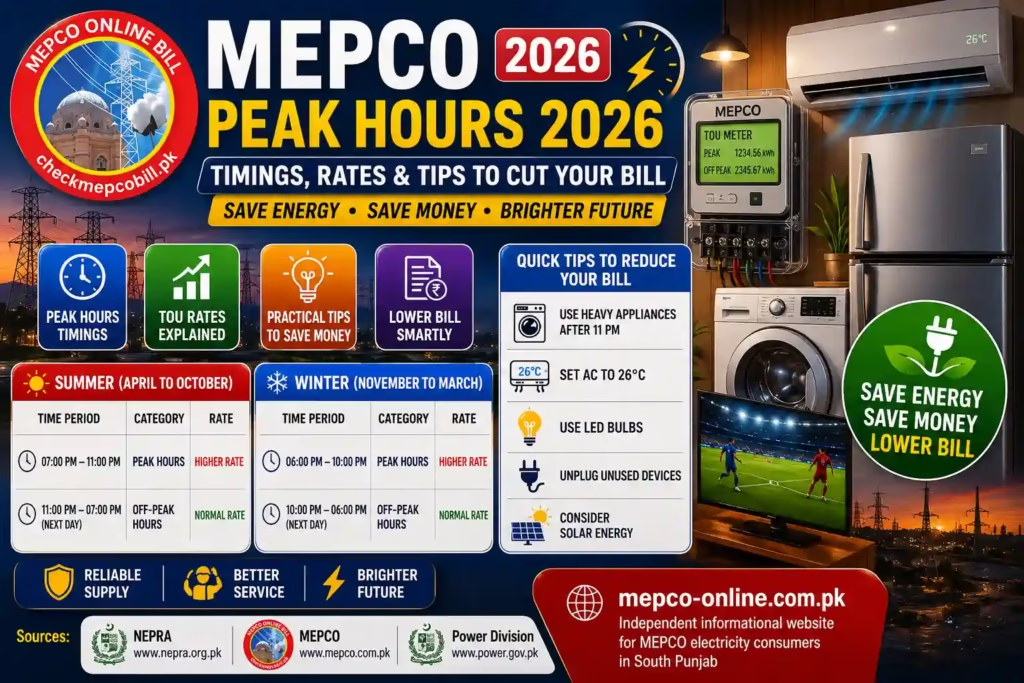
Peak and off-peak timings depend on the applicable tariff and current electricity regulations. The timings below should be checked against the latest MEPCO and NEPRA information before being used for billing decisions.
Summer (April to October)
| Time Period | Category | Rate |
| 07:00 PM – 11:00 PM | Peak Hours | Higher Rate |
| 11:00 PM – 07:00 PM (next day) | Off-Peak Hours | Normal Rate |
Winter (November to March)
| Time Period | Category | Rate |
| 06:00 PM – 10:00 PM | Peak Hours | Higher Rate |
| 10:00 PM – 06:00 PM (next day) | Off-Peak Hours | Normal Rate |
If you are on a TOU tariff, knowing the peak and off-peak periods can help you plan flexible electricity use around the applicable rates.
Quick Note: These timings follow NEPRA’s guidelines. If you’re ever unsure about your specific tariff, your MEPCO bill or your nearest subdivision office will have the most accurate information.
Why Does MEPCO Have Peak Hours at All?
Electricity demand changes throughout the day. During busy periods, more consumers may be using electricity at the same time. TOU tariffs use different rates for peak and off-peak periods for eligible consumers.
Electricity demand can rise in the evening when households and businesses use air conditioners, lighting, cooking equipment and other appliances at the same time. This is one reason electricity tariffs distinguish between peak and off-peak periods for eligible TOU consumers.
TOU tariffs give eligible consumers a reason to consider when they use electricity. Moving flexible activities such as washing clothes or ironing from peak hours to an off-peak period may reduce the cost of that consumption.
Who Actually Gets Charged Peak Hour Rates?
This is where a lot of people get confused, so let’s clear it up.
If You Have a TOU or TOD Meter
Your meter tracks exactly how many units you consume during peak hours versus off-peak hours. Those peak-hour units go on your bill at a higher rate. This type of meter is common in:
TOU or TOD metering may apply to certain consumer categories, depending on the applicable tariff and connection requirements. Examples can include industrial and certain commercial or other eligible connections.
If You Have a Regular (Flat Rate) Meter
Your bill doesn’t break down peak vs. off-peak — you get charged at a standard slab rate regardless of when you use electricity. However, that doesn’t mean peak hours don’t matter to you.
A regular meter does not normally divide your electricity consumption into separate peak and off-peak units. Your bill is calculated according to the tariff and slab structure that applies to your connection. Reducing total electricity consumption can lower your bill, but simply moving the same consumption from one hour to another does not automatically move you into a lower slab.
How Do You Know Which Meter You Have?
It’s simpler than you’d think. Just look at your MEPCO bill.
If you see two separate unit readings — one for peak hours and one for off-peak — you have a TOU meter. If there’s only one total unit figure, you’re on a standard flat-rate meter.
You can also call MEPCO’s helpline at 118 and ask directly. Or just visit your subdivision office with your reference number — they’ll tell you in a minute.
Knowing your meter type is important because MEPCO Peak Hours 2026 mainly affect TOU and TOD consumers.
How Peak Hour Billing Actually Works (Simple Example)
Say you’re a TOU meter consumer and you used 300 units last month. Here’s how the billing differs based on when you used those units:
| Period | Units Used | Rate Per Unit | Bill Impact |
| Off-Peak Hours | 200 units | Lower Rate | Less Cost |
| Peak Hours | 100 units | Higher Rate | More Cost |
For a consumer on a TOU tariff, moving some flexible usage from a peak period to an applicable off-peak period may reduce the amount charged for that usage. The actual saving depends on the tariff and the consumer’s connection category.
For TOU consumers, moving flexible electricity use from peak hours to off-peak hours may reduce the cost of that particular consumption. For other consumers, reducing unnecessary electricity use remains the main way to lower total consumption.
Want to crunch your own numbers?
You can also check:
10 Practical Ways to Reduce Your Bill During Peak Hours
The following tips can help you manage electricity usage during MEPCO Peak Hours 2026 and reduce monthly costs.
1. Delay Heavy Appliances Until After 11 PM
Washing machines and other appliances with timer functions can be run during off-peak hours if your routine allows it. For TOU consumers, moving flexible usage away from peak hours may reduce the cost of that electricity use.
2. Pre-Cool Your Home Before 7 PM
If you have a TOU tariff, avoid unnecessary AC use during peak hours where practical. Keep doors and windows closed while the AC is running, and use a reasonable temperature setting instead of cooling an empty room.
3. Cook Your Meals Before the Evening Rush
If you use electric cooking appliances and have a TOU tariff, you can consider doing some cooking or food preparation outside the applicable peak period when it is practical. The saving will depend on the appliance, usage time and tariff applied to your connection.
4. Keep Your AC at a Reasonable Temperature
Very low thermostat settings can increase electricity consumption. Choose a comfortable temperature for your room and avoid running the AC when nobody is using the space.
5. Swap AC for Ceiling Fans Where You Can
A ceiling fan generally uses much less electricity than an air conditioner. When the weather is comfortable, using a fan instead of AC can reduce overall electricity consumption.
6. Unplug What You’re Not Using
Some electrical devices continue to use a small amount of electricity while they remain on standby. Switch off or unplug equipment that you do not need, especially when it will not be used for an extended period.
7. Switch to LED Bulbs If You Haven’t Already
LED bulbs normally use less electricity than traditional incandescent bulbs. Replacing older bulbs with efficient LED lighting can help reduce everyday electricity consumption.
8. Iron Clothes in One Batch, Outside Peak Hours
An electric iron can be a relatively high-power household appliance. If you have a TOU tariff, consider doing your ironing during an applicable off-peak period instead of spreading it across peak hours.
9. Consider Solar for Long-Term Savings
If your electricity consumption remains high throughout the year, a properly sized solar system may reduce the amount of electricity you need to purchase from the grid. Before making a decision, check the current MEPCO and NEPRA rules for solar connections and any applicable net-metering or distributed-generation arrangements.
10. Track Your Peak-Hour Usage Every Month
If you have a TOU meter, make a habit of checking your peak vs. off-peak readings when your bill arrives. This keeps you aware of your patterns and helps you spot months where peak usage crept up — before it becomes a habit.
How to Get a TOU Meter Installed
If you have a standard meter and want to ask about TOU/TOD metering, contact MEPCO and confirm whether the option is available for your connection. The applicable requirements, charges and procedure depend on the connection type and current MEPCO rules.
- Go to your nearest MEPCO Subdivision Office
- Ask to submit an application for TOU/TOD meter installation
- Bring your reference number and a copy of your CNIC
- MEPCO will review the application according to the requirements applicable to your connection.
- If approved, an authorized team will come and install the meter
A TOU meter makes the most sense if you can genuinely shift most of your heavy usage to morning or late-night hours. If your schedule means you’re always home and using AC from 7 to 11 PM anyway, do the math carefully before switching.
Peak Hours and Load Shedding — The Real Connection
Electricity demand is generally higher during peak hours, which can place additional pressure on the power grid.
When demand exceeds what’s available on the grid, distribution companies have no choice but to cut power to some areas to protect the overall system. Load shedding can also occur for reasons related to the electricity supply system, maintenance work, feeder faults or other operational conditions. Peak-hour billing and load shedding are separate matters.
Reducing unnecessary electricity use during periods of high demand can help consumers manage their own consumption. Peak-hour billing and load shedding are separate matters, so an outage should not automatically be treated as a billing issue.
To check feeder-related information and learn how to report an outage, see our MEPCO Load Shedding Schedule guide.
Practical Observation
Electricity use can rise during summer evenings when air conditioners, fans, lighting and cooking appliances are being used at the same time. If you have a TOU tariff, moving flexible appliance use to an applicable off-peak period may help reduce the cost of that usage.
For Business and Industrial Consumers
Businesses and industrial consumers with TOU/TOD tariffs may have a stronger reason to review when electricity-intensive equipment is operated. Machinery, air-conditioning systems and other high-load equipment can contribute substantially to total electricity consumption.
A few things worth doing:
The potential saving depends on the amount of electricity used, the applicable tariff and how much consumption can realistically be moved to an off-peak period.
Frequently Asked Questions About MEPCO Peak Hours
What are MEPCO peak hours in summer 2026?
In summer (April to October), peak hours run from 7:00 PM to 11:00 PM. This is when electricity demand in South Punjab is at its highest.
Do peak hours apply to every MEPCO customer?
Peak and off-peak rates apply to consumers whose tariff uses TOU/TOD billing. A standard-meter consumer is generally billed according to the tariff and slab structure applicable to that connection. Simply changing the time of use does not automatically change the applicable slab.
How much more do I pay during peak hours?
That depends on NEPRA’s current approved tariff. TOU consumers pay a noticeably higher per-unit rate during peak hours. Check your bill or visit mepco.com.pk for the current schedule.
Can I request a TOU meter from MEPCO?
You can contact MEPCO and ask about the current requirements for a TOU/TOD meter. Eligibility, installation requirements and applicable charges can depend on your connection type and the rules in force at the time of application.
Will shifting my usage actually make a difference?
For TOU consumers, moving flexible electricity use from peak hours to an applicable off-peak period can reduce the cost of that usage. The amount saved depends on the tariff and the amount of electricity shifted.
For standard-meter consumers, moving electricity use from one hour to another does not by itself change the applicable slab. Reducing total electricity consumption can, however, affect the number of units billed under the applicable tariff structure.
Are the peak hours the same in Multan, Bahawalpur, and DG Khan?
The applicable peak-hour schedule should be checked against the current tariff information for the relevant consumer category. Do not rely on an old schedule shared for another area or connection.
Which appliances should I avoid running during peak hours?
Appliances such as air conditioners, electric water heaters, washing machines and irons can use significant electricity. If you have a TOU tariff, consider using flexible high-consumption appliances during applicable off-peak periods where practical.
Will I see peak hours mentioned on my MEPCO bill?
TOU meter consumers will see separate readings for peak and off-peak units. Standard meter consumers see only the total units consumed.
Can peak hours change in future?
Yes. NEPRA may revise peak-hour schedules and tariff structures from time to time. Consumers should always check the latest updates from MEPCO.
Quick Summary
Understanding the tariff applicable to your connection can help you plan electricity use and make better decisions about peak and off-peak consumption.
Sources
NEPRA: https://www.nepra.org.pk/
MEPCO: https://mepco.com.pk/
Power Division: https://power.gov.pk/
Disclaimer:
Peak hour timings and electricity tariffs may change according to NEPRA regulations and government notifications. Always verify the latest information through official MEPCO channels.
Written by: Altaf
Altaf is a content researcher who writes about electricity bills, utility services, peak hours, tariffs, and consumer guides in Pakistan. His goal is to help users understand complex electricity topics in simple language.
Updated: August 2026
mepco-online.com.pk — Independent informational website for MEPCO electricity consumers in South Punjab.
